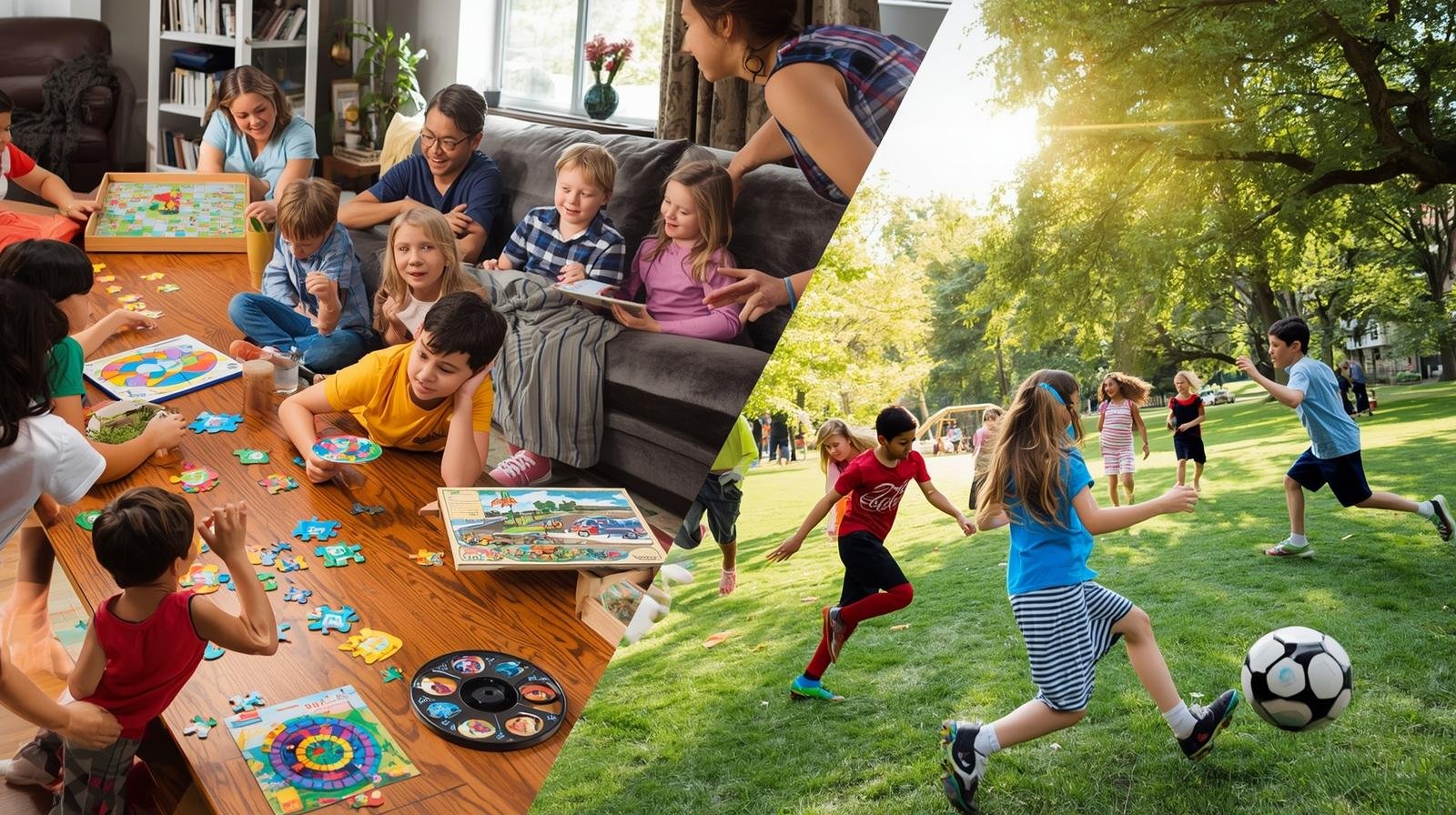
Step into a child’s room in India today, and you’ll witness a beautiful, vibrant chaos. A handcrafted wooden lattoo (spinning top) might be spinning on the floor, while a few feet away, a child is engrossed in a building game on a tablet. A stack of colorful plastic blocks sits beside a set of traditional pittu (seven stones). This isn’t confusion; it’s a celebration. Indian children today are growing up with a truly unique and wonderful mix of traditional, modern, indoor, and outdoor toys.
This blend is more than just play; it’s a reflection of a culture that deeply values its roots while eagerly embracing the future. Let’s dive into this magical toy box.
The Timeless Charm: Traditional & Handmade Toys
These are the toys whispered about in lullabies, the ones that connect generations. They are often simple, made from natural materials, and powered purely by imagination.
-
The Spinning Stories: The humble lattoo (spinning top) and the flamboyant latoo (a larger top played with a string) are timeless. The thrill of making them spin, the sound they make, and the friendly competitions are a rite of passage.
-
Games of Skill and Laughter: Pittu or Saat Phere (Seven Stones) is a classic outdoor game of aim, agility, and teamwork. Gilli Danda, a rural favourite, is a test of hand-eye coordination, much like cricket.
-
Dolls with a Soul: While Barbie has her place, traditional dolls dressed in regional attire—like the Rajasthani or Bengali dolls—hold a special charm. They are often made of clay, cloth, or wood, telling stories of India’s diverse cultures.
-
Brain Teasers: like Tangrams (known as Buddhi Vardhak Khel in some places) and simple puzzles made of wood challenge young minds and develop logical thinking.
The Great Outdoors: Sunshine and Shared Joy
Before the era of structured play dates, the great outdoors was the ultimate playground. These games required nothing more than open space and a group of friends.
-
The Ultimate Chase: Kho-Kho and Kabaddi are not just sports; they are community events in many neighborhoods. They teach speed, strategy, breath control, and the invaluable lesson of teamwork.
-
Hopscotch & Its Cousins: Stapu (Hopscotch) is drawn with chalk or a rock on any available ground. It’s a game of balance and precision that has traveled across the world but remains a backyard favorite here.
-
Flying High: The sky during Makar Sankranti or Independence Day is a canvas of colorful kites. The thrill of the manjha (the string) cutting a rival’s kite is an unmatched adrenaline rush.
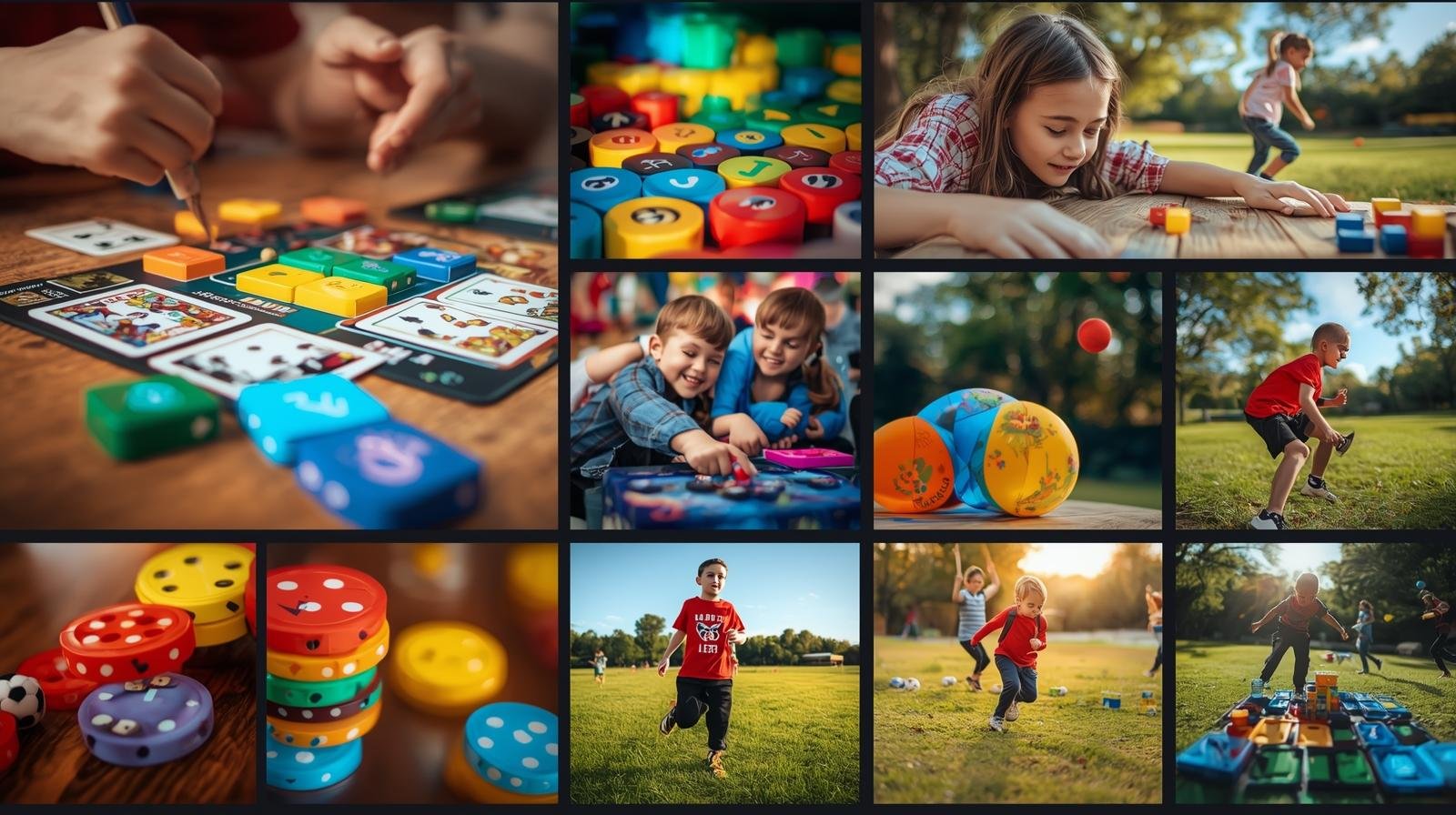
The Modern Wave: Learning and Digital Play
Walk into any toy store, and you’ll see a world of bright, interactive, and educational options.
-
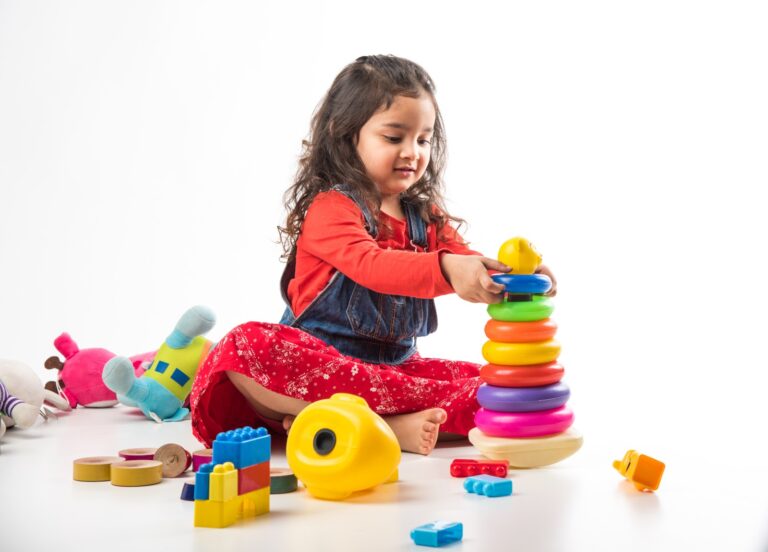
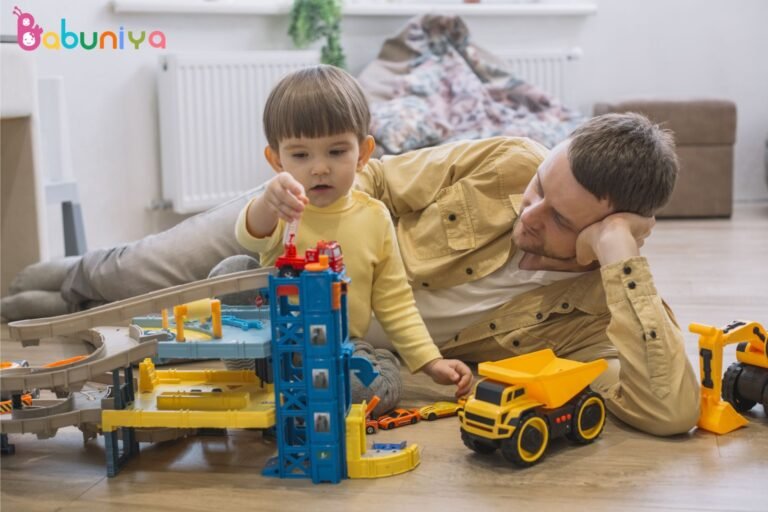
Building the Future: LEGO sets, magnetic tiles, and STEM-based robotics kits are hugely popular. They foster creativity, engineering skills, and problem-solving abilities, preparing children for a tech-driven world.
-
The Digital Playground: Tablets and consoles are an undeniable part of modern childhood. From educational apps that teach coding to interactive storybooks and puzzle games, digital play, in moderation, can be a powerful learning tool.
-
Fad-to-Fun Cycle: Just like everywhere else, Indian kids are swept up by global crazes—be it fidget spinners, slime, or the latest action figure from a blockbuster movie.
The Perfect Blend: Why This Mix is Magical
So, why is this eclectic mix so beneficial for a child?
-
Cultural Connection: Traditional toys are a tangible link to heritage. They tell children where they come from, fostering a sense of identity and pride.
-
Physical Development: Outdoor games ensure children run, jump, and play, combating sedentary lifestyles and promoting physical health and motor skills.
-
Cognitive Growth: Modern educational toys and apps are designed to stimulate critical thinking, creativity, and digital literacy—skills essential for the 21st century.
-
Social & Emotional Learning: Games like Kho-Kho or Pittu are inherently social. They teach children to negotiate, cooperate, win graciously, and lose with dignity.
-
Balanced Childhood: This mix ensures that a child’s world isn’t entirely virtual. They experience the joy of mud on their hands, the wind in their hair while flying a kite, and the strategic thinking of a board game, alongside the excitement of digital adventures.
The Indian child’s toy box is a microcosm of India itself—diverse, adaptable, and vibrant. It’s a space where a hand-painted gulli (doughnut-shaped object used with danda) can coexist with a programmable robot.
As parents, grandparents, and caregivers, our role isn’t to choose one over the other, but to curate this mix. To fly a kite with them on a sunny afternoon and later, sit with them to build a LEGO castle. For in this beautiful blend of the old and the new, the simple and the sophisticated, lies the secret to a rich, joyful, and well-rounded childhood.